


Perovskite Laser Processing Guide
How To Choose Perovskite Laser Scribing Equipment
Choosing perovskite laser scribing equipment is not only about laser power or machine price. For perovskite solar cell R&D, pilot lines and scalable module manufacturing, buyers should evaluate process compatibility, scribing accuracy, heat affected zone, automation level, substrate size, alignment control and long-term upgrade flexibility.
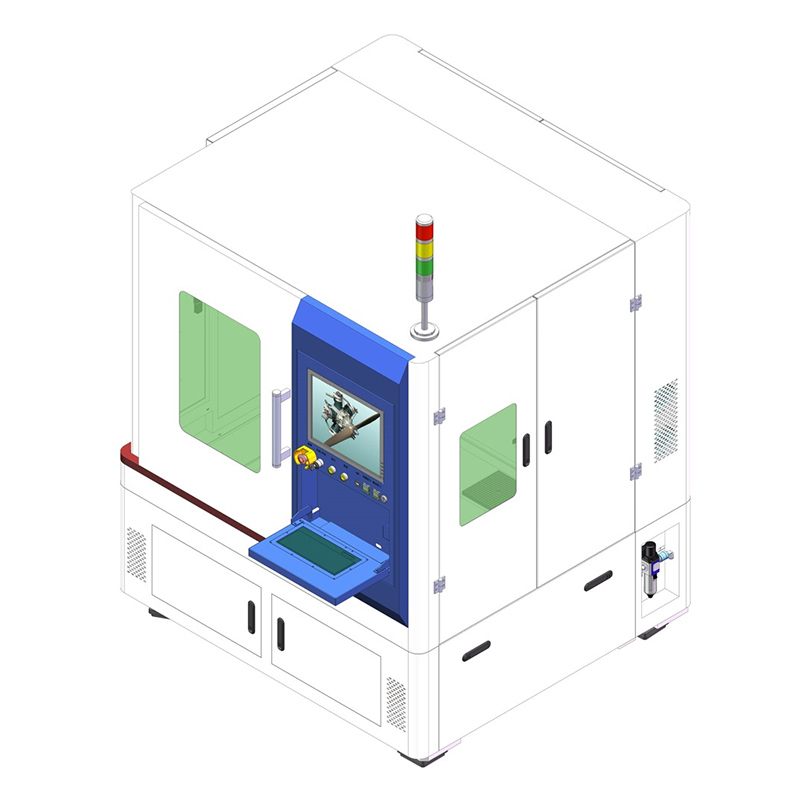
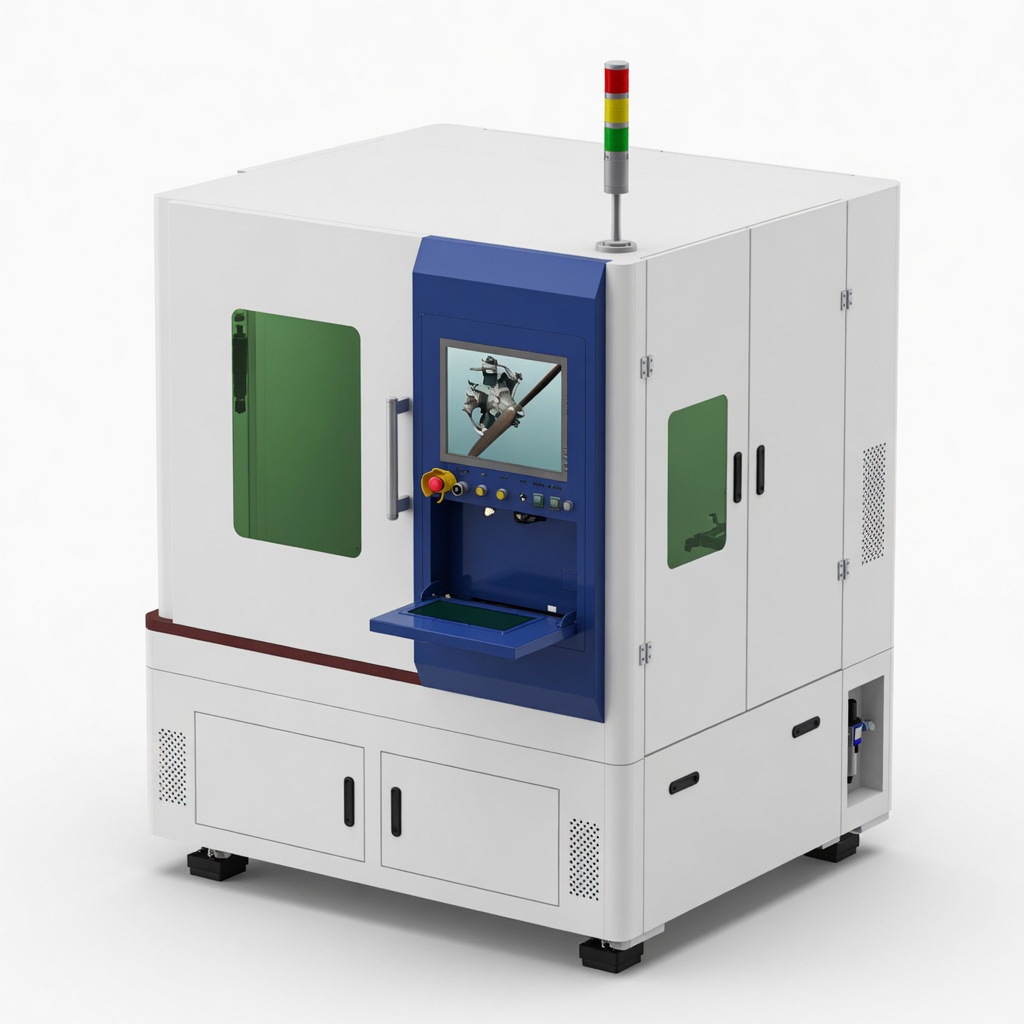
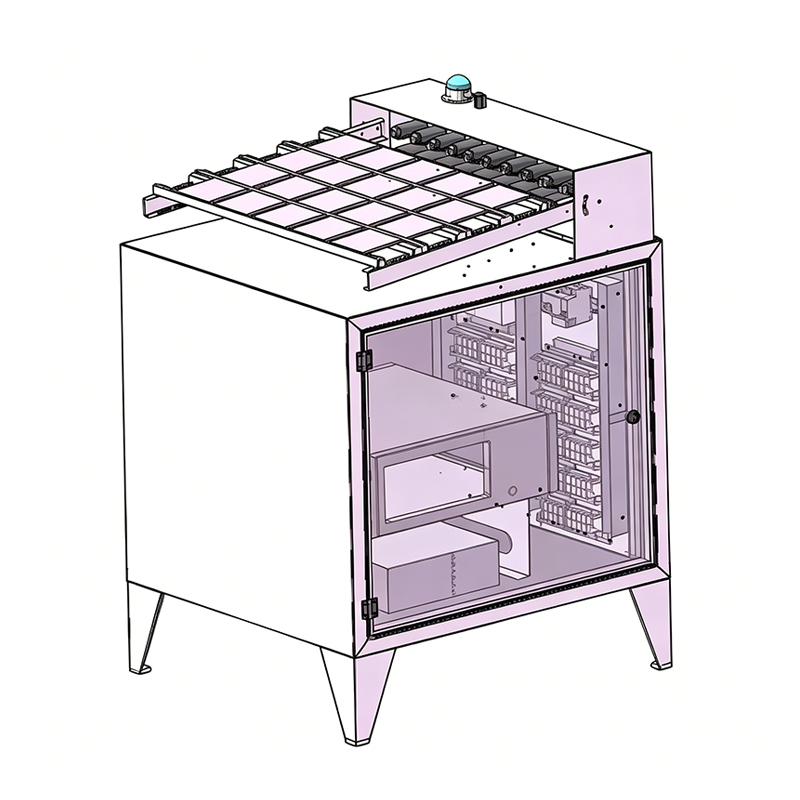
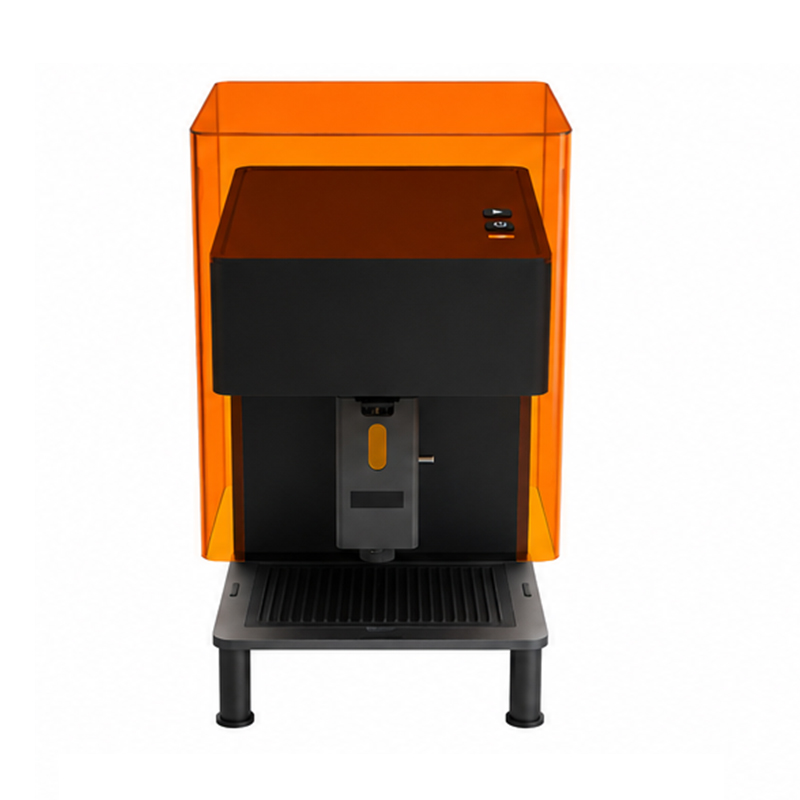
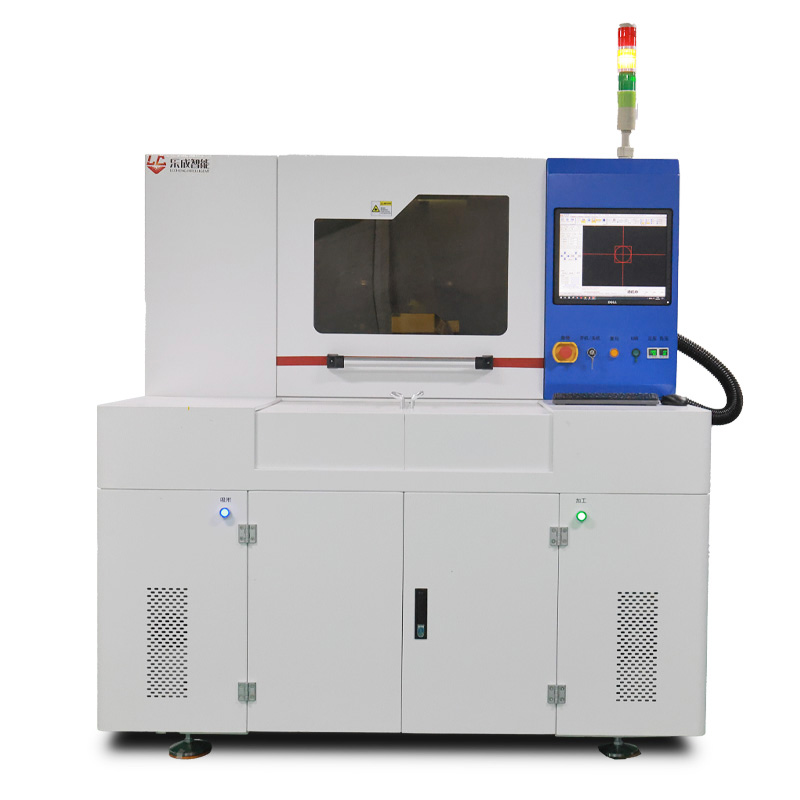
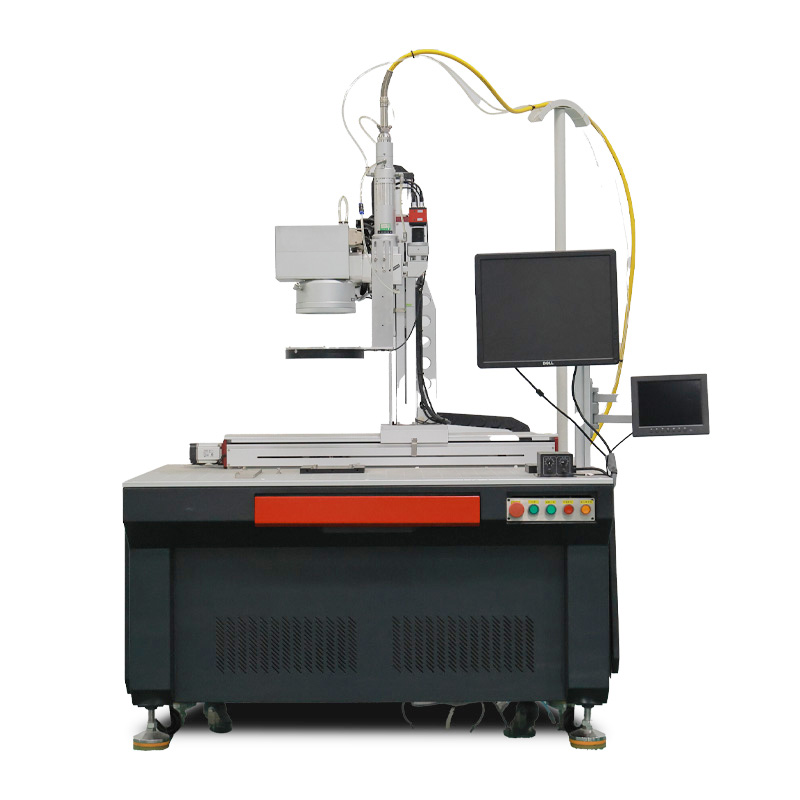
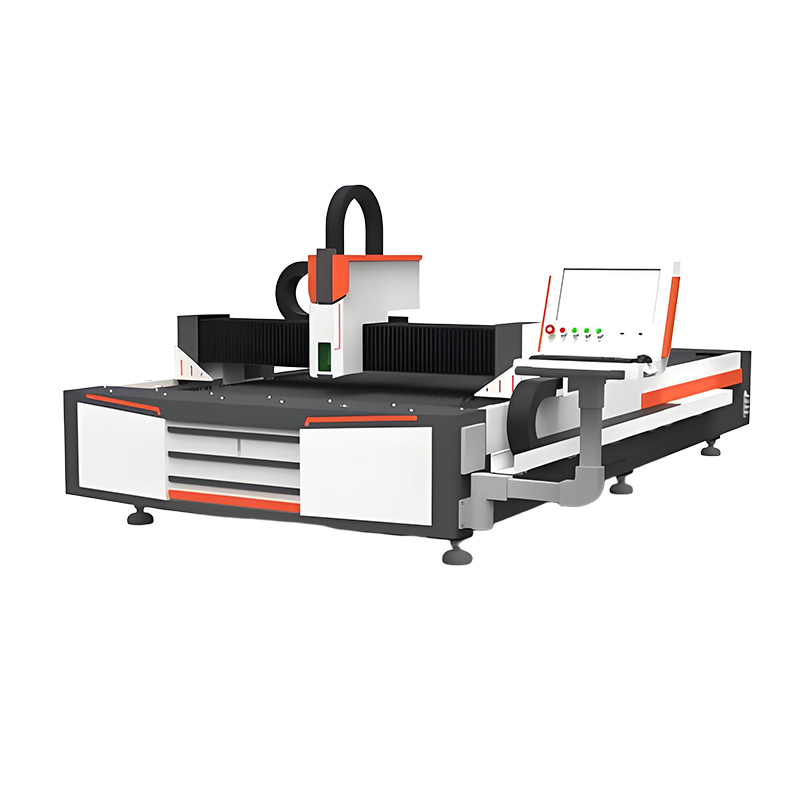
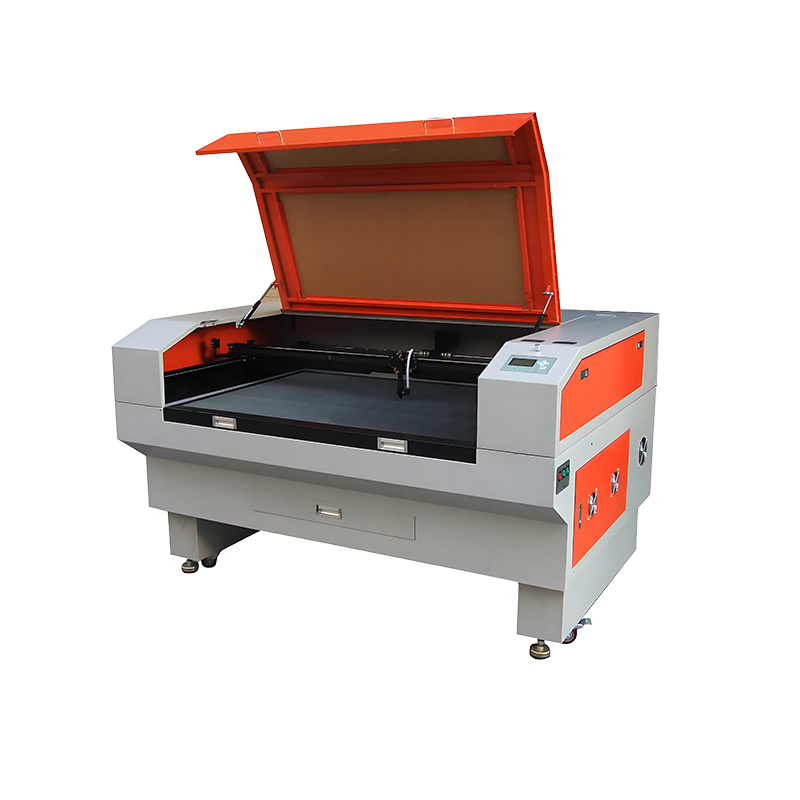
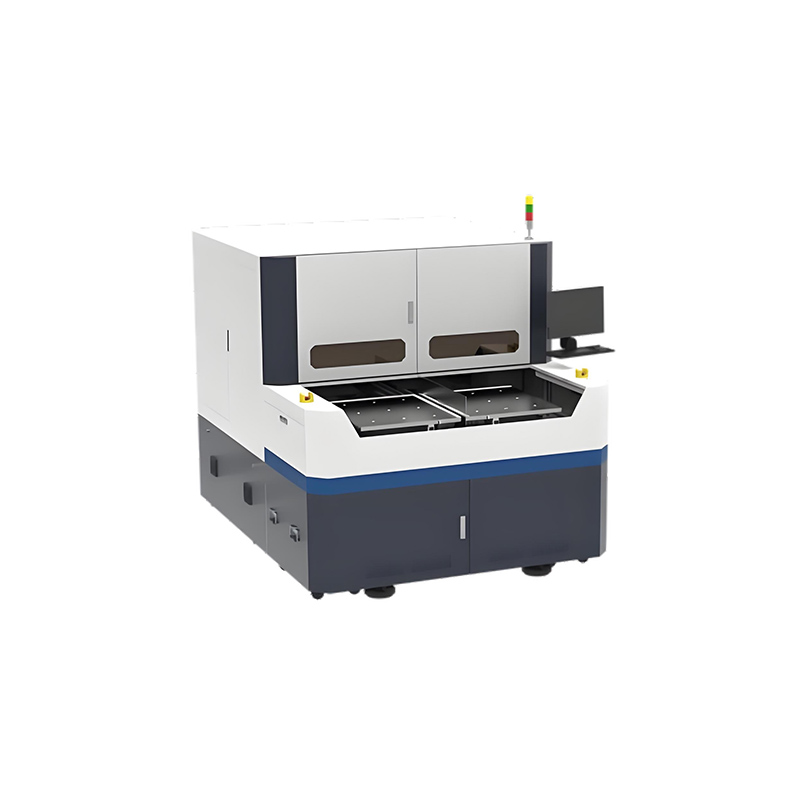
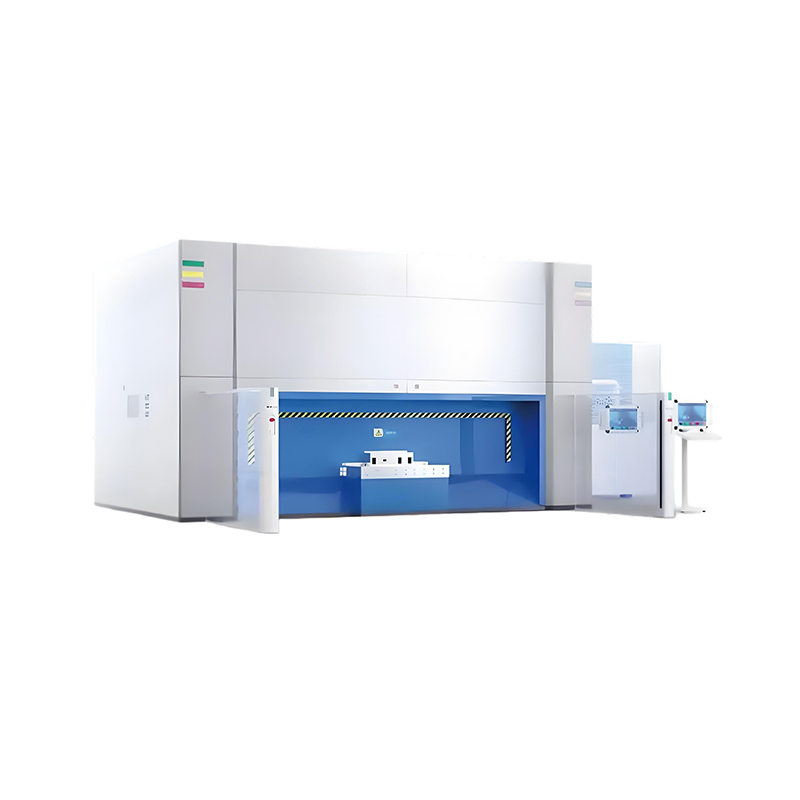
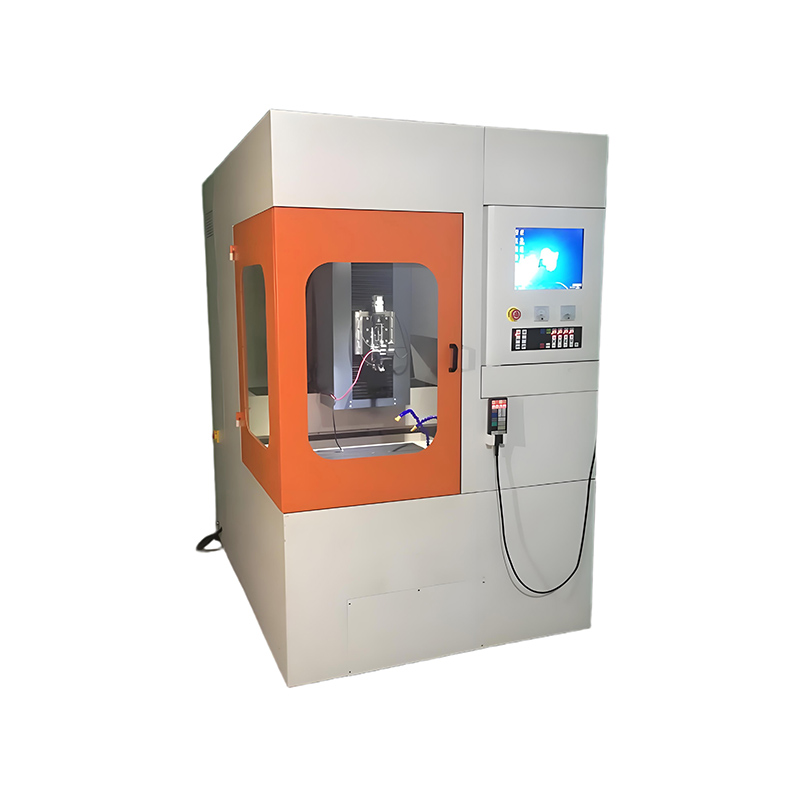
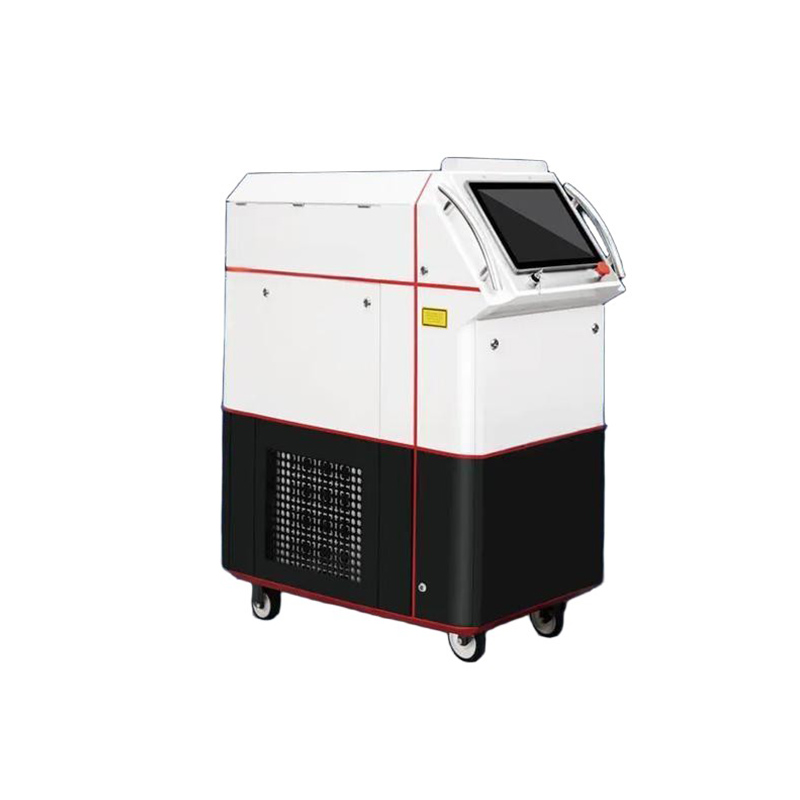
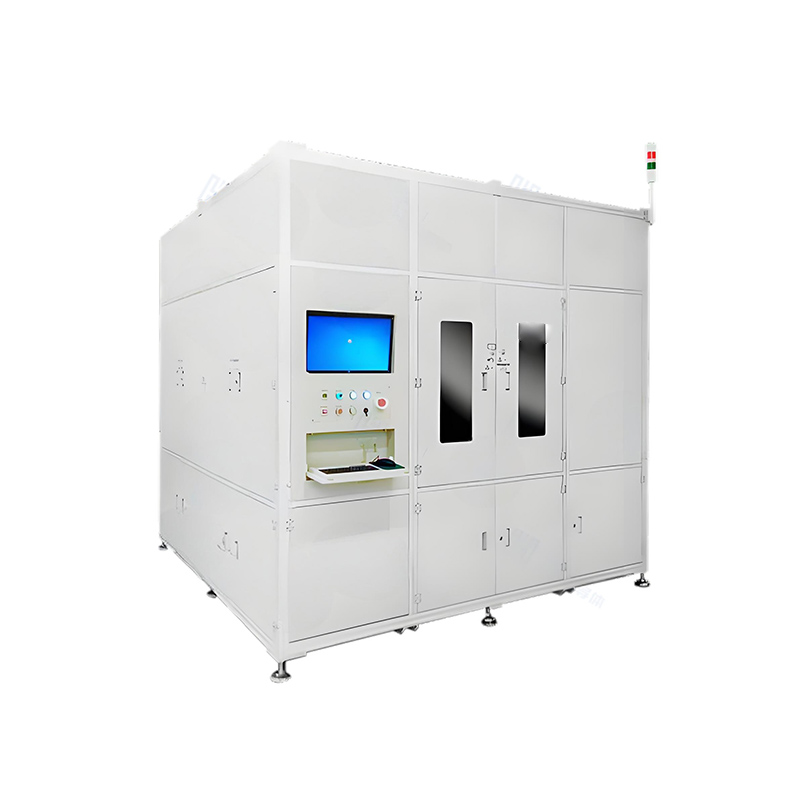
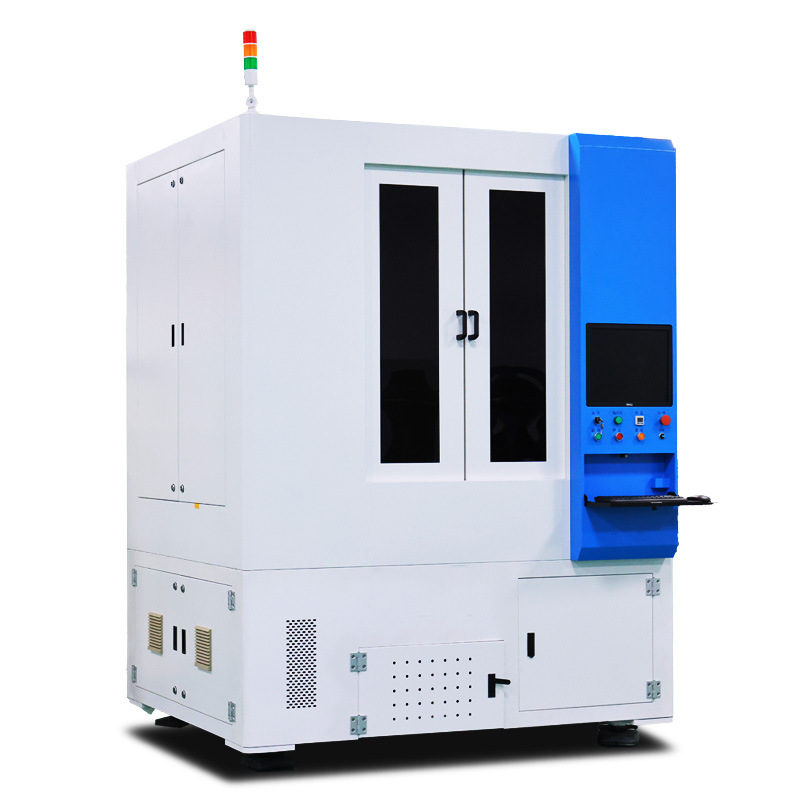
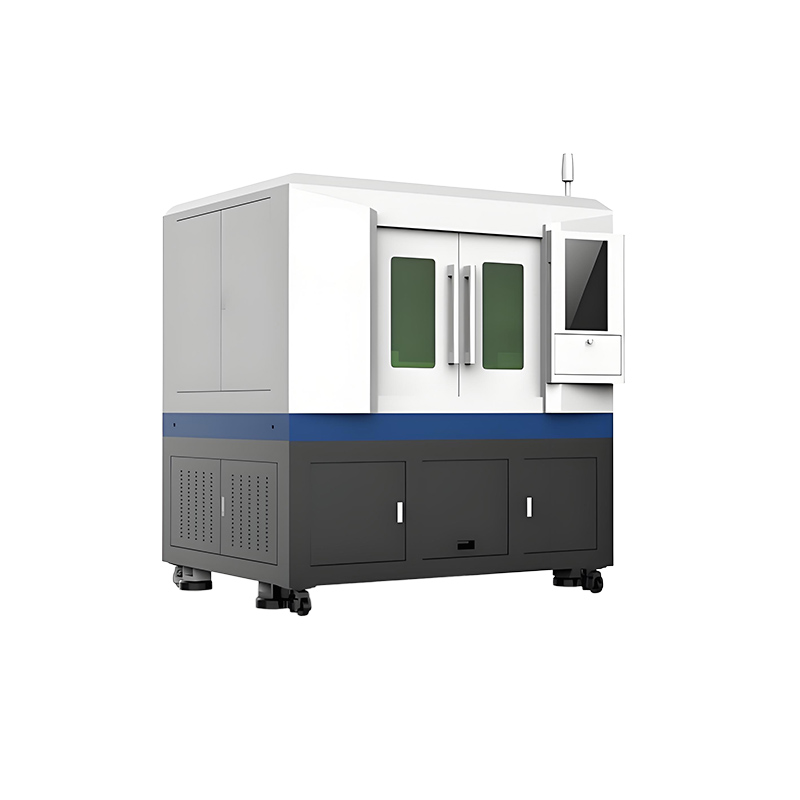
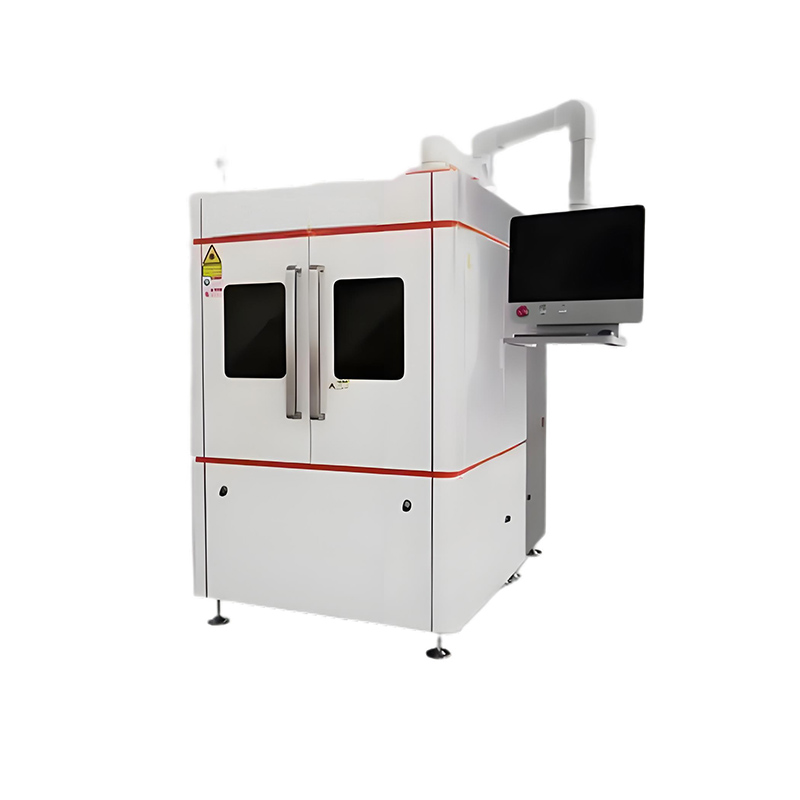
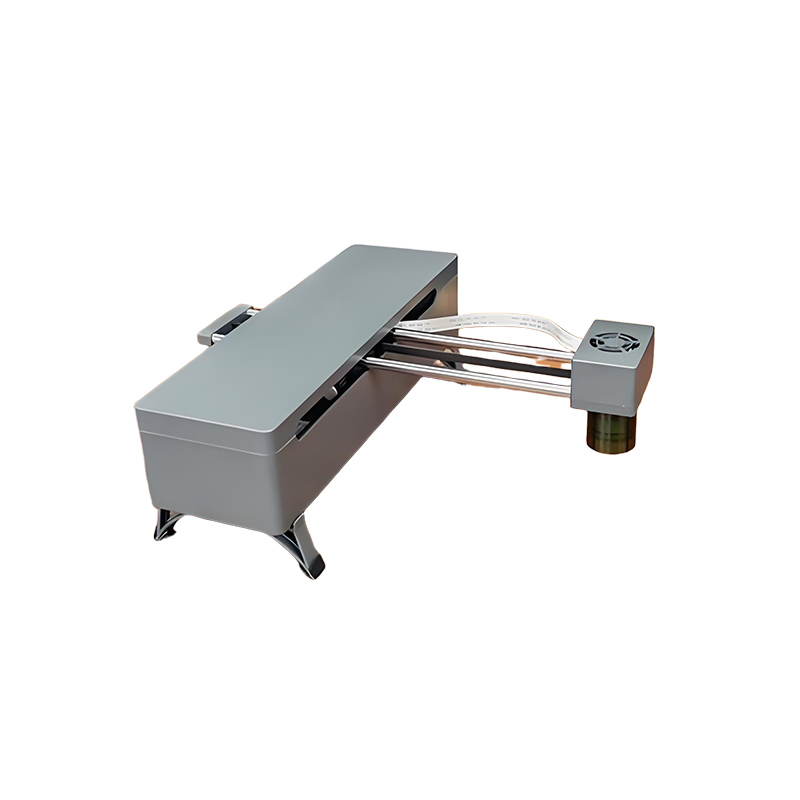
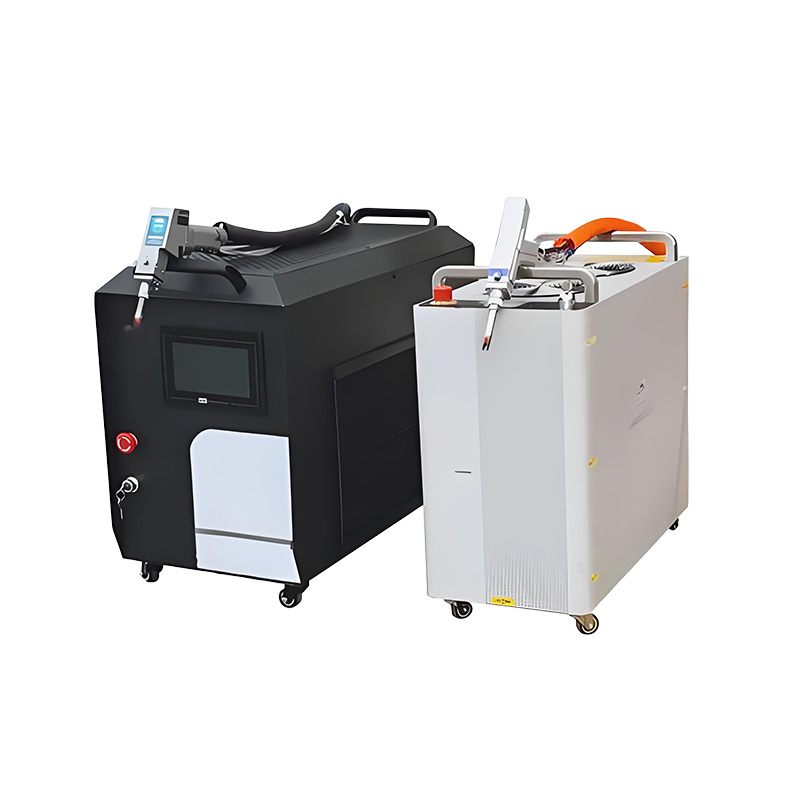
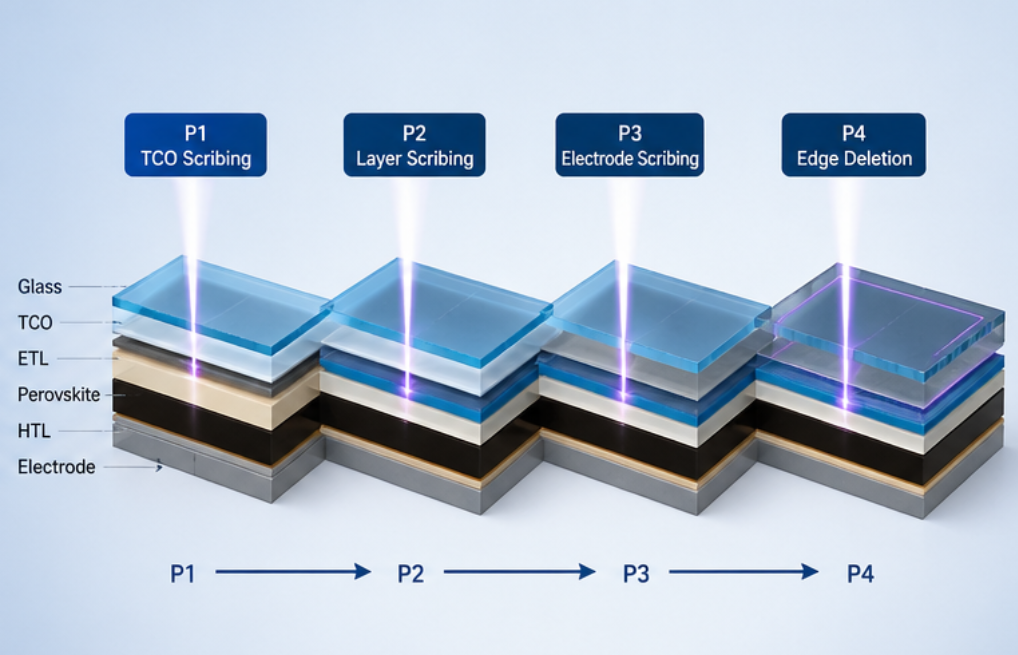
Get QuotePerovskite solar cells require precise layer patterning to form reliable series connections between sub-cells. In a typical module process, laser scribing is used for P1, P2, P3 and sometimes P4 edge deletion. Each step has a different purpose. P1 usually patterns the transparent conductive oxide layer. P2 opens the functional layers for interconnection. P3 separates the back electrode. P4 is often used for edge isolation or edge cleaning before encapsulation. If the laser process is unstable, it may cause short circuits, poor interconnection, low aperture ratio, thermal damage, debris contamination or poor module yield. That is why buyers should not select equipment only by machine size or quotation. The correct choice must be based on material stack, process route, module format and production target. The first question is which scribing step the equipment must support. A laboratory may only need a flexible platform for P1, P2 and P3 process development, while a pilot line may require automatic positioning, recipe management and stable repeated processing. A complete perovskite module line may need integrated P1-P2-P3-P4 equipment with handling, vision alignment and production data tracking. P1 Scribing: focuses on clean TCO patterning with minimal substrate damage. P2 Scribing: requires precise removal of perovskite and transport layers without damaging the lower conductive layer. P3 Scribing: separates the top electrode and functional layers with good insulation performance. P4 Edge Deletion: removes edge materials to improve encapsulation reliability and reduce leakage risk. Different perovskite material stacks respond differently to laser wavelength, pulse width and energy density. The right laser source should remove the target layer cleanly while protecting adjacent layers. For many thin-film photovoltaic applications, ultraviolet, green, infrared, nanosecond, picosecond or femtosecond laser options may be considered depending on the layer structure and process requirements. Buyers should ask the equipment manufacturer whether they can support process testing before final configuration. A professional supplier should be able to recommend laser wavelength, pulse duration, spot size, scanning method and process window based on the sample structure. For perovskite solar modules, smaller and cleaner scribing lines can help improve active area utilization. However, narrow lines are only useful when the process remains stable and repeatable. Important evaluation points include scribing width, line straightness, overlap accuracy, positioning repeatability, debris control and insulation performance after scribing. Vision alignment is especially important for multi-step processing. If P1, P2 and P3 lines are not accurately aligned, the module may suffer from poor interconnection or reduced efficiency. For pilot and production-level systems, automatic alignment and recipe-based control are much more valuable than manual adjustment. R&D equipment should be flexible, easy to adjust and suitable for different material recipes. Pilot line equipment should focus on repeatability, automation and process transfer. Production equipment should emphasize throughput, stability, material handling, data traceability and long-term maintenance. If your team is still developing the perovskite stack, do not buy a system that is too rigid. If your project is moving toward pilot manufacturing, do not rely on a purely manual research machine. The best choice is a system that can support today’s process development and tomorrow’s scale-up. Before ordering perovskite laser scribing equipment, buyers should request sample testing whenever possible. Useful evidence includes microscope images, line width data, insulation test results, edge quality images, processing speed, repeatability data and recommended process parameters. A reliable equipment partner should not only sell machines, but also help buyers understand process risks. This is especially important for perovskite technology because material systems, coating methods and module designs may vary between research institutes, pilot projects and commercial manufacturers. What substrate size do you need to process now and in the future? Do you need P1 only, or P1/P2/P3/P4 combined capability? What is your material stack and target layer structure? Do you need manual loading, semi-automatic loading or full automation? What scribing width, alignment accuracy and throughput are required? Do you need process testing before final equipment configuration? Will the equipment be used for R&D, pilot line or production scale-up? The best perovskite laser scribing equipment should match your process route, material stack, substrate size and scale-up plan. Buyers should pay close attention to laser source selection, P1/P2/P3/P4 process capability, scribing quality, alignment accuracy, automation level and sample testing support. For perovskite solar cell manufacturing, a process-oriented equipment partner is often more valuable than a standard machine supplier. Contact Lecheng Laser to discuss your perovskite solar cell process, substrate size, P1/P2/P3/P4 requirements and pilot line configuration.
Why Laser Scribing Matters In Perovskite Solar Cell Manufacturing
1. Confirm Your Process: P1, P2, P3 Or P4
2. Check Laser Source And Wavelength Compatibility
3. Evaluate Scribing Width, Alignment Accuracy And Edge Quality
Key Parameters Buyers Should Compare
Parameter Why It Matters Buyer Checkpoint Laser Wavelength Affects layer selectivity and thermal impact Match with TCO, perovskite, transport layer and electrode Pulse Width Influences heat affected zone and edge quality Ask for sample testing and microscope images Scribing Width Impacts dead area and module efficiency Check consistency, not only minimum width Alignment Accuracy Controls P1/P2/P3 overlap and interconnection quality Prefer automatic vision alignment for pilot lines Substrate Size Determines R&D, pilot or production suitability Confirm current and future module size requirements Automation Level Affects yield, repeatability and labor dependency Compare manual, semi-auto and fully automatic systems 
4. Choose The Right System For R&D, Pilot Line Or Production
5. Ask For Sample Testing And Process Evidence

Questions To Ask Before Getting A Quote
Conclusion
Need Perovskite Laser Scribing Equipment?